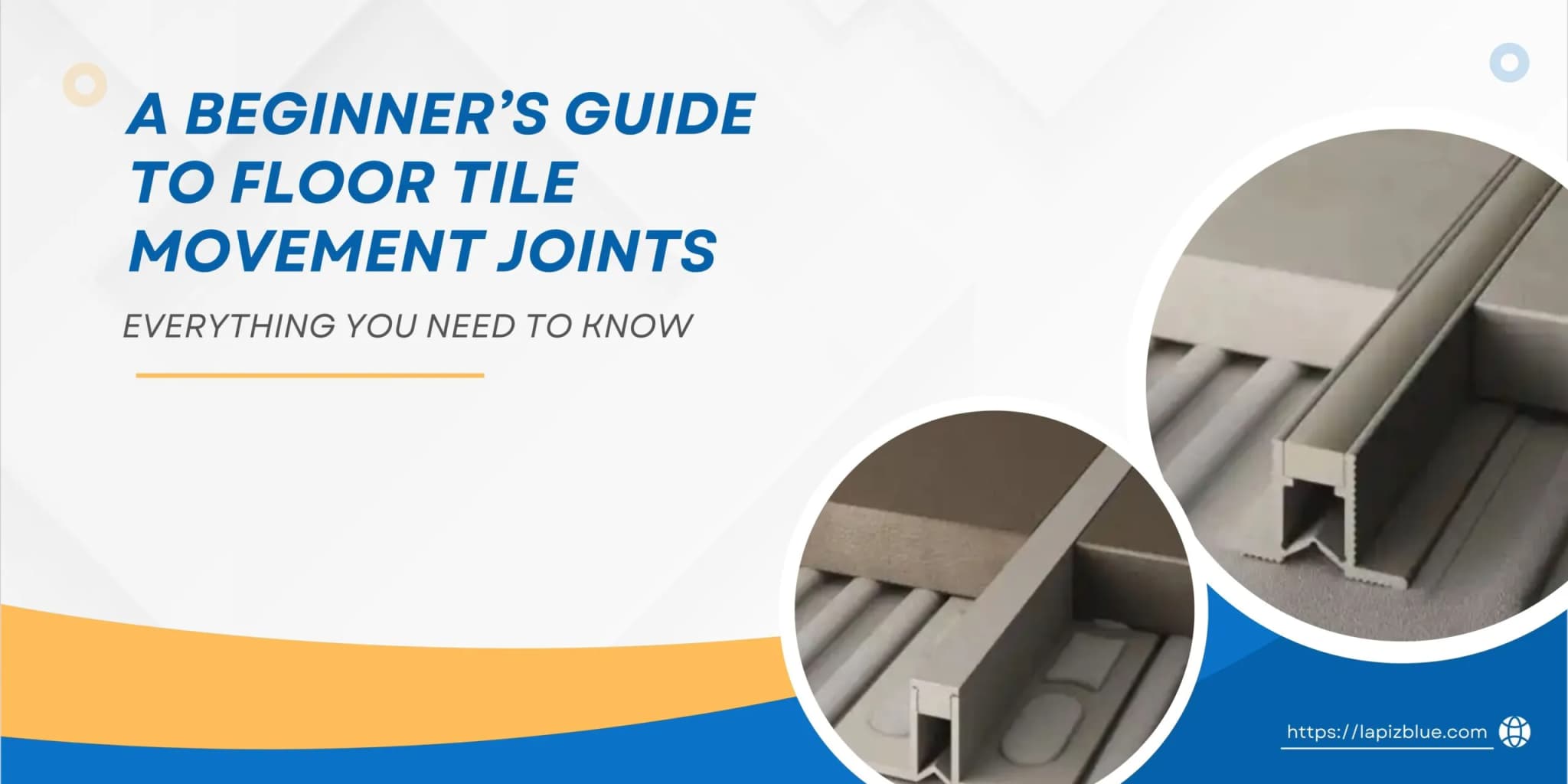
Learn about floor tile movement joints, why they are important, types, installation tips, and how to ensure long-lasting tile floors.
A Beginner's Guide to Floor Tile Movement Joints: Everything You Need to Know
Floor tile movement joints are strategically placed gaps between tiles or between tiles and other structures that allow tiles to adjust to environmental factors. Understanding these essential elements ensures long-lasting, crack-free tile installations.
Why Movement Joints Matter
Thermal Expansion and Contraction
Tiles and substrates respond differently to temperature:
- Materials expand in heat
- Materials contract in cold
- Different expansion rates create stress
- Without joints, cracking occurs
Moisture Effects
Water exposure affects tile installations:
- Absorption causes expansion
- Drying causes contraction
- Cycling stresses materials
- Joints accommodate movement
Structural Shifts
Buildings move over time:
- Settlement occurs
- Seasonal changes affect structure
- Live loads create deflection
- Joints prevent transferred stress
Crack Prevention
Movement joints serve as relief points:
- Controlled stress relief
- Predictable joint locations
- Protected tile surfaces
- Long-term installation integrity
Types of Movement Joints
Expansion Joints
Allow for material growth:
- Full-depth through substrate
- Filled with compressible material
- Located at regular intervals
- Critical in large installations
Contraction Joints
Control shrinkage cracking:
- Partial depth cuts
- Create weakness planes
- Guide crack formation
- Installed during construction
Isolation Joints
Separate tiles from other elements:
- Perimeter applications
- Around columns and fixtures
- At material transitions
- Prevent stress transfer
Control Joints
Manage anticipated cracking:
- Pre-planned locations
- Decorative integration possible
- Regular spacing
- Aesthetic consideration
Where to Install Movement Joints
Large Installations
Movement joints at regular intervals:
- Typically every 8 to 12 feet
- Adjusted for conditions
- Aligned with architectural elements
- Coordinated with design
Perimeter Locations
Around room edges:
- Wall-to-floor transitions
- Column surrounds
- Cabinet bases
- Fixture perimeters
Doorways and Transitions
At room boundaries:
- Threshold locations
- Material changes
- Structural joints
- Traffic patterns
High-Traffic Areas
Where stress concentrates:
- Entry points
- Corridors
- Commercial applications
- Heavy equipment areas
Wet Environments
Where moisture cycles occur:
- Bathrooms and kitchens
- Pool surrounds
- Outdoor installations
- Commercial wet areas
Installation Process
Step 1: Identify Placement
Plan joint locations:
- Review architectural drawings
- Note structural joints
- Calculate spacing
- Consider aesthetics
Step 2: Select Materials
Choose appropriate components:
- Backer rod for joint filling
- Flexible sealants
- Movement joint profiles
- Color-matched options
Step 3: Install Backer Rods
Prepare joint depths:
- Size appropriately for joint width
- Position for correct sealant depth
- Ensure consistent installation
- Avoid stretching material
Step 4: Apply Sealants
Fill joints properly:
- Use compatible sealants
- Achieve proper profile shape
- Tool for finished appearance
- Allow appropriate cure time
Material Options
Silicone Sealants
Flexible performance:
- Excellent movement accommodation
- Good moisture resistance
- Color options available
- Long service life
Rubber Profiles
Pre-formed solutions:
- Consistent appearance
- Easy installation
- Durable performance
- Various colors
Metal Options
Premium appearance:
- Aluminum or stainless steel
- Decorative possibilities
- Durable construction
- Professional finish
Profilpas Movement Joint Solutions
Profilpas offers comprehensive movement joint products:
- Various profile types
- Multiple material options
- Color coordination
- Professional performance
Contact Lapizblue for movement joint products and technical support throughout the UAE.