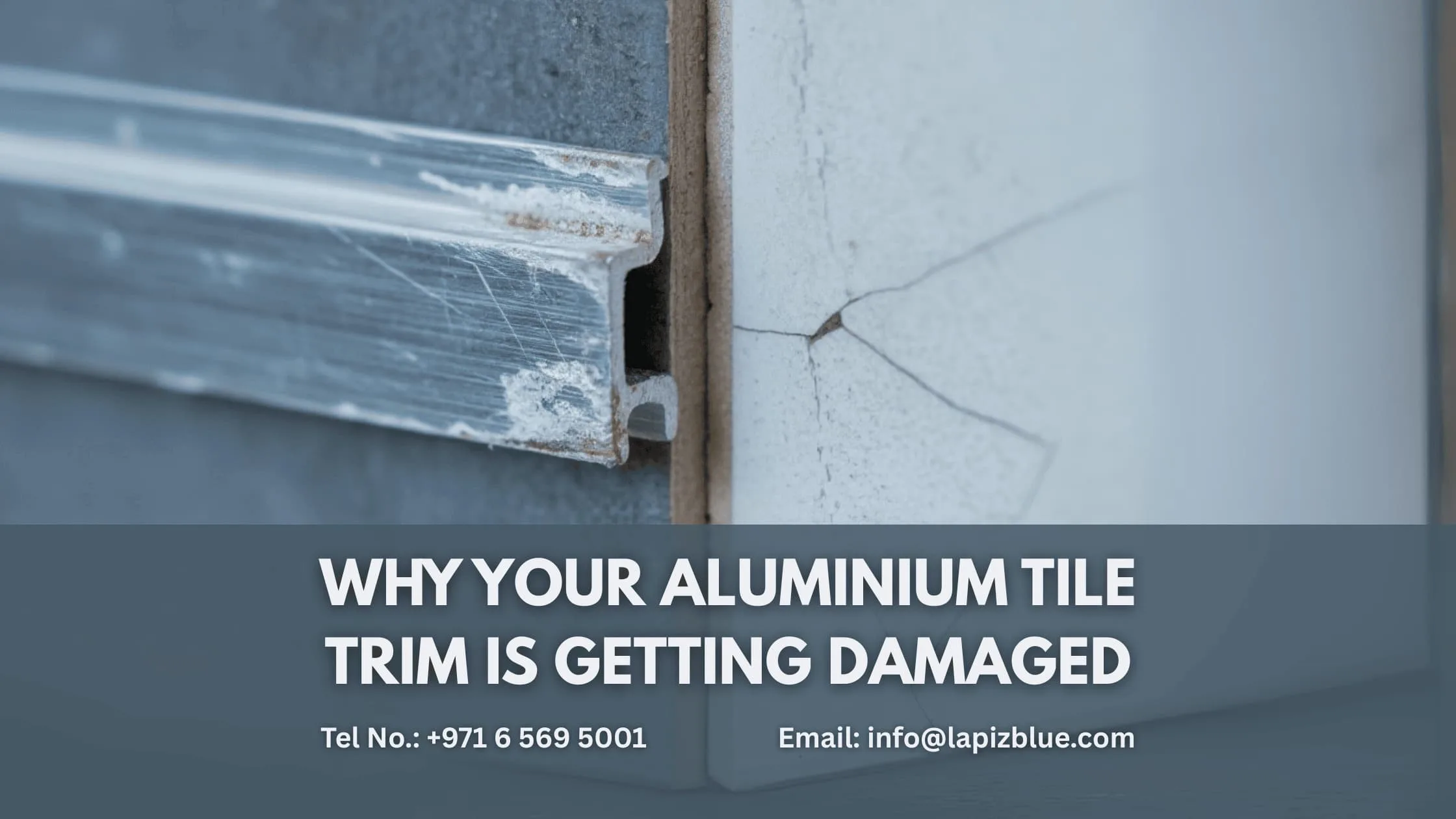
Aluminium tile trims are small details that protect your tiles and make the overall look neat and polished. They are designed to keep tile edges safe from chipping, cracking, or simply wearing out.
Why Your Aluminium Tile Trim is Getting Damaged (And How to Prevent It)
Aluminium tile trims are small details that protect your tiles and make the overall look neat and polished. They are designed to keep tile edges safe from chipping, cracking, or simply wearing out. But what happens when these protective elements themselves start showing signs of damage?
What Are Aluminium Tile Trims?
Aluminium tile trims serve dual purposes in any tiling project:
Protection: They shield exposed tile edges from impacts, moisture, and wear that would otherwise cause chipping and cracking.
Styling: They provide clean transitions between surfaces and add a professional, finished appearance to tile installations.
Four Primary Causes of Damage
1. Installation Errors
Improper installation is the leading cause of trim damage:
- Insufficient adhesive coverage
- Poor alignment during setting
- Failure to account for tile thickness
- Rushing the installation process
2. Wear and Tear
Daily use takes its toll over time:
- Foot traffic in high-use areas
- Furniture movement and impacts
- Vacuum cleaner contact
- General abrasion from regular activities
3. Moisture and Chemicals
Environmental exposure affects trim integrity:
- Standing water penetration
- Harsh cleaning chemical reactions
- Humidity cycling effects
- Chemical incompatibility with adjacent materials
4. Incorrect Trim Selection
Using the wrong product causes premature failure:
- Undersized profiles for tile thickness
- Indoor-rated trims used outdoors
- Standard finishes in corrosive environments
- Light-duty products in high-traffic areas
Early Warning Signs to Monitor
Watch for these indicators of developing problems:
- Discoloration or oxidation spots
- Loose sections or lifting edges
- Visible gaps between trim and tile
- Surface scratches accumulating
- Finish wearing through to base metal
Prevention Strategies
Proper Installation
- Use quality adhesives appropriate for trim type
- Ensure complete adhesive coverage
- Allow proper setting time before traffic
- Follow manufacturer specifications precisely
Material Selection
- Choose appropriate durability for application
- Consider environmental exposure factors
- Match trim capacity to expected traffic
- Specify quality products from reputable brands
Regular Maintenance
- Clean with pH-neutral products only
- Address damage promptly before it spreads
- Inspect periodically for early problem signs
- Reseal exposed edges when necessary
High-Use Area Protection
- Consider heavy-duty profiles in traffic zones
- Add protective elements where impacts occur
- Plan for furniture and equipment movement
- Specify commercial-grade for demanding applications
Comparing Trim Materials
Aluminium
- Lightweight and corrosion-resistant
- Wide range of finishes available
- Cost-effective for most applications
- Susceptible to deep scratches
Stainless Steel
- Superior moisture and chemical resistance
- Excellent for wet areas and pools
- Higher cost but greater durability
- Ideal for hygiene-critical environments
PVC
- Most economical option
- Flexible for curved applications
- Lower durability than metals
- Best for temporary or budget projects
When to Seek Professional Help
Consider professional assessment when:
- Multiple trims show damage simultaneously
- Underlying tile problems appear
- Water damage is suspected
- Structural concerns exist
- Large-scale replacement is needed
Premium Solutions from Profilpas
Profilpas aluminium tile trims offer:
- Premium quality construction
- Extensive design options
- Professional-grade durability
- Comprehensive product range
Available through Lapiz Blue in Dubai and across the UAE. Contact us for product recommendations tailored to your specific application.