Weber Repair and Anchoring - Restoring structural integrity across UAE
Weber repair and anchoring systems address the concrete deterioration and structural challenges common in UAE infrastructure. From patch repairs on parking structures to full structural rehabilitation of bridges and buildings, the weberep range delivers proven performance backed by Saint-Gobain engineering. These mortars resist the chemical exposures, thermal stresses, and corrosion conditions specific to Gulf construction. Lapiz Blue supplies the complete Weber repair portfolio with technical support for damage assessment, product selection, and application specifications.
Visit Weber (Saint-Gobain) Official Website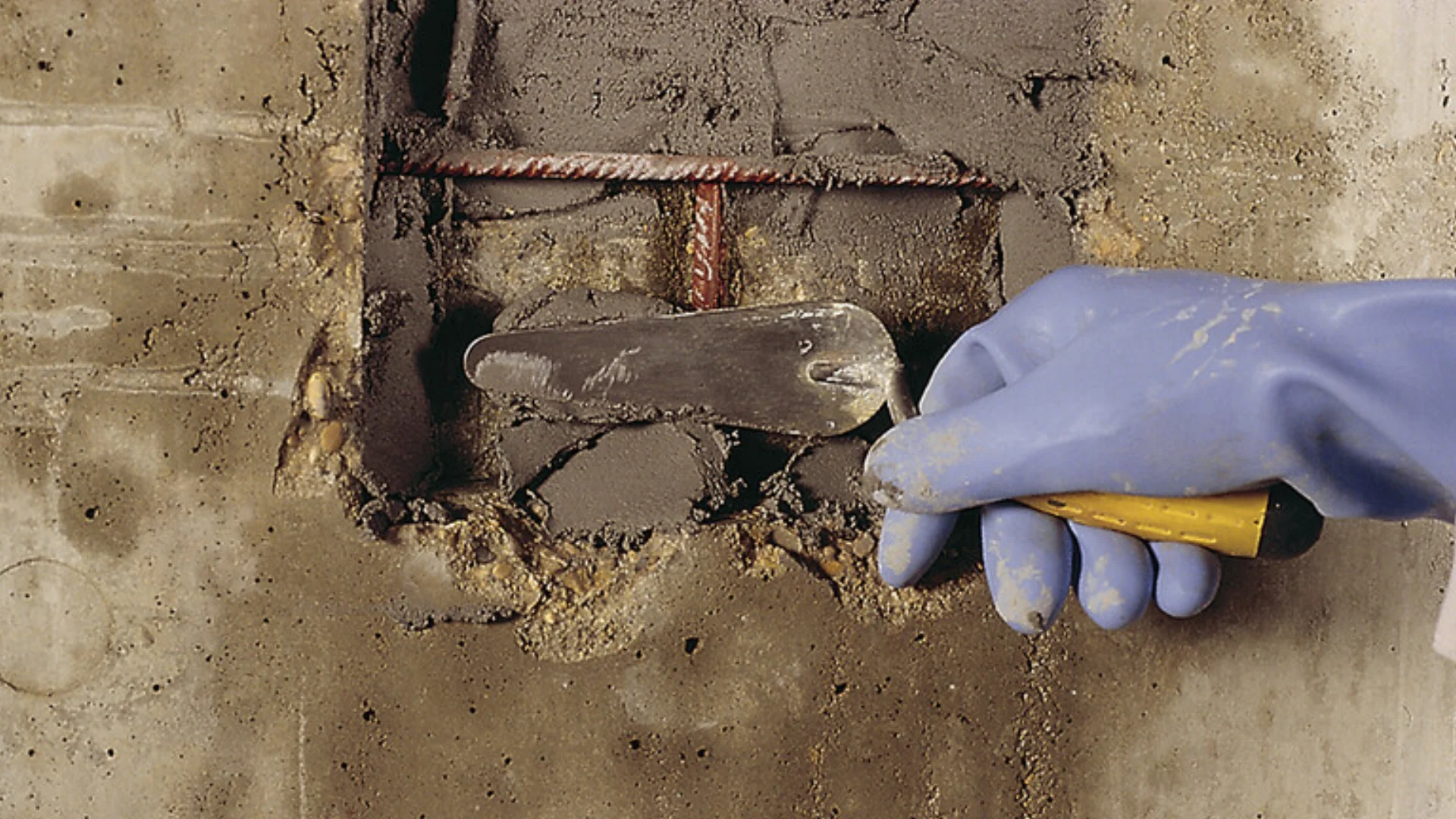
Popular Products
Explore our most trusted repair and anchoring solutions for professional installations.
Why Weber Repair and Anchoring from Lapiz Blue?
- Chemical resistance - weberep mortars resist petroleum, oil, grease, acids, alkalis, solvents, and salt water
- Non-shrink formulations - weberep ST and weberep 311 MC deliver shrinkage-compensated repairs that stay bonded
- Fast-setting options - weberep epo 410 epoxy mortar enables rapid return to service for critical infrastructure
- Fiber-reinforced products - enhanced crack resistance for structural repairs under dynamic loading
- Ready-to-use convenience - weberep ST mixes with water only, reducing batching errors on site
- 58 specialized products - Weber offers the largest technical repair portfolio for any UAE project requirement
Applications and Best-Fit Scenarios
Concrete spalling and delamination repair - restore damaged facades, columns, and structural elements
Exposed reinforcement treatment - corrosion protection and cover restoration on deteriorated concrete
Structural void filling - weberep 311 MC micro-concrete for large section repairs and void grouting
Anchor and dowel grouting - secure mechanical fixings with non-shrink cementitious or epoxy grouts
Industrial floor repair - chemical-resistant repairs for manufacturing, warehouses, and processing facilities
Marine and coastal structure rehabilitation - salt-resistant formulations for corrosive environments
How to Choose the Right Weber Repair System
Assess damage depth - shallow repairs (under 25mm) use different products than deep section repairs
Identify chemical exposure - petroleum, acids, or salt environments need weberep epo 410 epoxy mortar
Consider structural loading - load-bearing repairs require fiber-reinforced or micro-concrete products
Evaluate setting time needs - critical infrastructure may need fast-setting products for rapid return to service
Check substrate bonding - cementitious mortars bond to concrete; epoxies bond to concrete, steel, and masonry
Factor application method - hand-applied mortars versus pumpable grouts for different access conditions
Match compressive strength - repair mortar strength should match or exceed parent concrete
Common Mistakes to Avoid
- Insufficient substrate preparation - contaminated or unsound concrete causes bond failure; proper cleaning is essential
- Ignoring reinforcement corrosion - repairing concrete over corroding steel leads to repeat failure; treat steel first
- Wrong mortar for chemical exposure - standard cementitious mortars fail in petroleum or acid environments
- Mixing too much material - repair mortars have limited working time; mix only what can be applied within pot life
- Skipping primer on steel - exposed reinforcement needs corrosion-inhibiting primer before concrete repair
What You Can Expect
Product Range
58 technical repair mortars for every concrete restoration scenario
Chemical Resistance
weberep epo 410 resists petroleum, acids, alkalis, solvents, salt
Non-Shrink Performance
Shrinkage-compensated formulations for permanent bonded repairs
Fiber Reinforcement
Crack-resistant mortars for structural and dynamic loading
Technical Support
Damage assessment and repair specification assistance
UAE Coverage
Lapiz Blue supply from Dubai, Abu Dhabi, and Sharjah
Frequently Asked Questions
weberep epo 410 is a three-component fast-setting epoxy mortar with exceptional chemical resistance. It resists petroleum, oil, grease, acids, alkalis, solvents, and salt water where cementitious mortars would deteriorate. It also bonds to steel, concrete, and bricks with high adhesion.
First, remove concrete around the steel to expose clean metal. Clean the reinforcement of rust by mechanical or chemical means. Apply weber corrosion-inhibiting primer. Then apply weberep repair mortar in layers, allowing each layer to set before the next. The repair restores both structural integrity and corrosion protection.
Repair mortars like weberep ST are fine-aggregate products for surface repairs up to 50mm deep per layer. Micro-concrete like weberep 311 MC contains coarse aggregate for deep section repairs and void filling, suitable for repairs from 50mm to 100mm+ per pour.
Yes. Weber offers both cementitious and epoxy anchoring grouts. Cementitious grouts suit static anchors in dry conditions. Epoxy grouts like weberep epo 410 provide higher strength and chemical resistance for demanding anchor applications.
Setting times vary by product and conditions. weberep ST achieves working strength in 24 hours for light loads. weberep epo 410 epoxy mortar sets rapidly for fast return to service. Consult technical data sheets for specific loading requirements and cure times.
Yes. Weber repair mortars include formulations resistant to chloride ingress and salt water exposure. weberep epo 410 specifically resists salt water for marine and coastal structure rehabilitation. Proper product selection is essential for corrosive environments.
Remove all loose, contaminated, and unsound concrete. Expose corroded reinforcement and treat appropriately. Clean surfaces with high-pressure water or mechanical methods. Apply bonding primer if specified. The prepared surface should be clean, sound, and at appropriate moisture content.
Yes. weberep ST and other thixotropic mortars are designed for overhead and vertical application without slumping. Application thickness per layer is typically limited to 25-50mm. For deeper repairs, apply multiple layers, allowing each to set before the next.
Concrete Deterioration in UAE Conditions
UAE structures face aggressive conditions that accelerate concrete deterioration. High temperatures, humidity cycling, chloride exposure from coastal air, and carbonation all contribute to reinforcement corrosion and concrete damage. Weber repair systems are formulated to address these specific challenges, providing durable repairs that resist the environmental factors that caused original damage.
weberep ST Ready-to-Use Mortar
weberep ST is a ready-to-use mortar made of sand, special cement, fibers, and additives. Simply add water and mix to achieve non-shrinking, high-strength, high-adhesion repair mortar. The convenience of single-bag mixing eliminates batching errors and ensures consistent performance across large repair projects.
weberep epo 410 Epoxy Mortar
For environments where cementitious mortars cannot survive, weberep epo 410 delivers three-component fast-setting epoxy performance. This mortar adheres to concrete, iron, and bricks with exceptional bond strength. Chemical resistance extends to petroleum products, oils, greases, acids, alkalis, solvents, and salt water.
weberep 311 MC Micro-Concrete
weberep 311 MC is a non-shrink micro-concrete for structural repairs and void filling requiring significant depth. The coarse aggregate formulation suits repairs from 50mm deep through full section replacement. Pumpable consistency enables efficient placement in confined spaces and complex geometry.
Reinforcement Protection
Successful concrete repair requires addressing reinforcement corrosion, not just cosmetic damage. Weber systems include corrosion-inhibiting primers that protect exposed steel before concrete cover is restored. This integrated approach prevents repeat failure by addressing the root cause of concrete deterioration.
Structural vs. Cosmetic Repair
Not all concrete damage requires structural repair, and applying the wrong system wastes money or creates risk. Weber offers products spanning cosmetic resurfacing to structural load-bearing repairs. Proper damage assessment determines whether surface treatments, standard mortars, or reinforced micro-concrete is appropriate.
Product Range Overview
The Weber repair and anchoring range from Lapiz Blue includes: weberep ST (ready-mix repair mortar), weberep epo 410 (three-component epoxy mortar), weberep 311 MC (non-shrink micro-concrete), weber bonding primers, weber reinforcement protection coatings, and cementitious and epoxy anchoring grouts. Over 58 products address the full spectrum of concrete repair requirements.
Need concrete repair or anchoring solutions?
Contact us with details about your concrete damage or anchoring requirements. Our technical team can recommend appropriate Weber products and provide specification support for structural repairs.
Share these details for a quick response:
- Type of damage (spalling, cracking, corrosion, voids)
- Repair depth and area
- Chemical exposure conditions
- Structural loading requirements
- Access conditions (horizontal, vertical, overhead)
- Timeline for return to service